

Clinical Research in Community Care: Why Rural and Community-Based Practices Have Everything to Gain
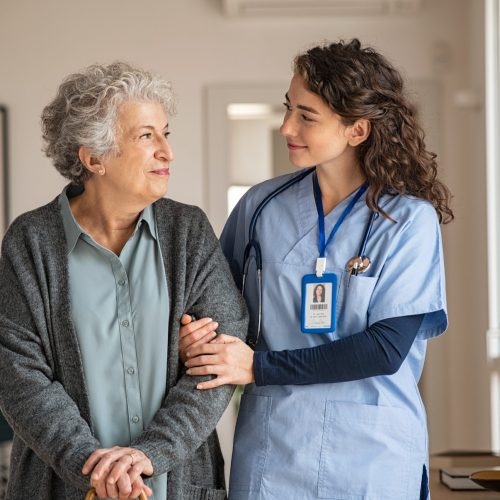
Community-based clinical research brings clinical trials closer to where patients live. For rural and community-based practices, offering clinical trials can expand patient access to research while integrating study opportunities into the care patients already receive. It’s a practical way to strengthen your practice, retain the patients who trust you most, and expand access to innovative therapies without overloading an already stretched team.
Why research feels “too big” for community practices
Many physicians tell us their first reaction to clinical research is hesitation. They picture a 300-page protocol, unfamiliar regulations, and a long list of new tasks for already busy staff. In many cases, their only exposure to research was during residency or fellowship, or through a colleague who had a negative experience in a traditional academic setting.
Meanwhile, practice leaders and administrators are looking at the balance sheet. They see what appears to be a large upfront investment and are unsure how clinical trials translate into a predictable financial stream.
These concerns are understandable. Yet they are often based on an outdated belief that research belongs only in academic medical centers. That is no longer the case.
Bringing clinical trials closer to home
For patients in rural and smaller community settings, travel is not an abstract inconvenience. It can be the factor that determines whether they pursue a potentially beneficial therapy at all. Long distances, missed work, caregiver time, and lodging all add up. Systematic reviews of clinical research participation show that the most common barriers are structural and logistical. Time, travel, additional procedures, and limited access to research support often play a greater role than lack of interest from patients or physicians.
When patients do travel to a distant academic center, they often must choose between care that includes additional treatment options far from home or care close to home with the clinicians and support systems they know. That is a choice no patient should have to make.
By bringing research to where patients already receive care, you keep them close to the nurses, physicians, and clinic staff they know. You also keep their ongoing care within your health system, from labs and imaging to pharmacy and supportive services.
Integrating clinical trials into the rhythm of community care
The good news is that the barriers that make research feel “too big” are largely operational, which means they can be addressed with the right kind of support.
Clinical research often feels daunting in busy community and rural practices. Physicians and internal teams are already balancing full clinic days, complex clinical cases, and increasing administrative requirements. Adding protocol-specific documentation, visit schedules, and regulatory tasks on top of that can understandably feel unrealistic, even when there is strong interest in bringing research to patients locally. When research is designed around how the practice already functions, it can become an additional service line within the clinic rather than a separate venture.
What tends to make the difference is not whether a site is academic or community based, but whether there is dedicated study coordination support for research. A study coordinator who is fluent in clinical research can take on trial-related scheduling, documentation, and regulatory workflows, while investigators retain responsibility for medical care and study decisions.
In many practices, this type of support allows research visits to be organized alongside existing appointment structures rather than competing with them. The study coordinator can help prepare charts, gather historical medical information needed for the investigator to confirm eligibility, keep visit activities within protocol windows, and support data and regulatory documentation so that physicians and advanced practice providers can focus on clinical decision making and time with patients.
When study coordinators are embedded on site, they learn the day-to-day rhythms of the clinic, including typical patient flow, preferred physician schedules, and how different departments interact. Over time, this familiarity allows research activities to be integrated into established processes with minimal disruption to how the practice already delivers care.
Supporting practice sustainability through clinical research
Clinical research can be an important component of a more sustainable model for rural and community-based practices when the operational details are thoughtfully planned. Many rural and community-based practices are working to maintain services in the context of thin margins and complex third-party payer requirements, which can limit how far traditional reimbursement can stretch. National analyses show that more than 200 rural hospitals have closed since 2005, and hundreds more operate on negative or near-negative margins, leaving many communities at risk of losing local access to hospital care.
Offering trials can help support steadier patient volumes and provider retention by aligning professional growth with patient needs in the community. When research is active, sponsor-approved study budgets and related trial activity can contribute revenue alongside clinical reimbursement, without the same constraints that come with billing third-party payors.
Clinical research can also become an attractive feature for current and prospective physicians, particularly those who want to stay rooted in community care while still contributing to scientific advancement.
Clinical trials can also contribute to appropriate use of existing services such as labs, imaging, and pharmacy within your system. When patients can access research in a familiar setting and feel well supported throughout the trial, they are more likely to continue seeking care in the same environment and to view your practice as a long-term home for their ongoing needs.
What providers, patients, and practices gain from research
For physicians and practice leaders, community-based research offers a way to align clinical interests, patient needs, and long-term sustainability. Providers gain a structured path to expand treatment options without overextending their clinical schedules. With dedicated research coordination support in place, they can focus on medical decision making and patient conversations while research activities are organized around existing workflows. Participating in clinical trials can also support professional development and academic contribution, giving community-based clinicians a meaningful role in advancing science while remaining rooted in the communities they serve.
Patients benefit by gaining access to innovative therapies close to home, often with more frequent monitoring and a higher touch experience than in standard care. They can stay with the physicians, nurses, and clinic environments they already trust, rather than traveling long distances to unfamiliar centers. This reduces both the financial and emotional strain that comes with repeated trips for specialized care and allows family and caregivers to remain closely involved in treatment.
For the practice, clinical research can contribute to a more diversified and resilient care model. Study activity can draw on sponsor-approved budgets and may increase appropriate use of labs, imaging, and other ancillary services within your network. Offering clinical trials can also help differentiate your practice by providing unique treatment options that attract new patients who might otherwise seek care elsewhere. At the same time, practices that offer clinical trials often see stronger continuity of care, since individuals who receive advanced options locally are more likely to return to the same system for future needs.
Taking the first step into community-based clinical research
If you are even “research curious,” you don’t have to solve everything alone or build a full infrastructure from scratch. Many of the perceived barriers relate to coordination and operations, not to the quality of medicine you already practice every day. With the right support, clinical research can become a natural extension of the care you already provide in your community.
Milestone One provides site enablement services, including an on-site coordinator, to alleviate administrative burdens and fill gaps to increase enrollment and study quality, leading to a streamlined and fulfilling experience for your site. To learn more about how Milestone One can support you in navigating complexity, taking on additional studies, or getting started with research for the first time, reach out to the Milestone One team.



Get in touch with Milestone One
Learn more about how Milestone One can help take the complexity out of clinical trials.